$2 to $5 per sq ftSingle or double chipRural laneways mainly
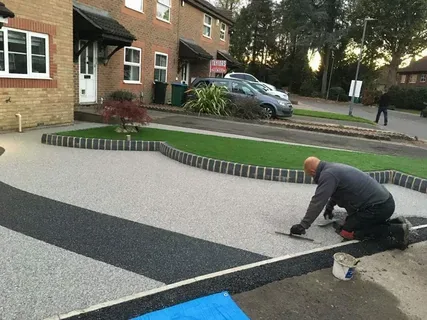
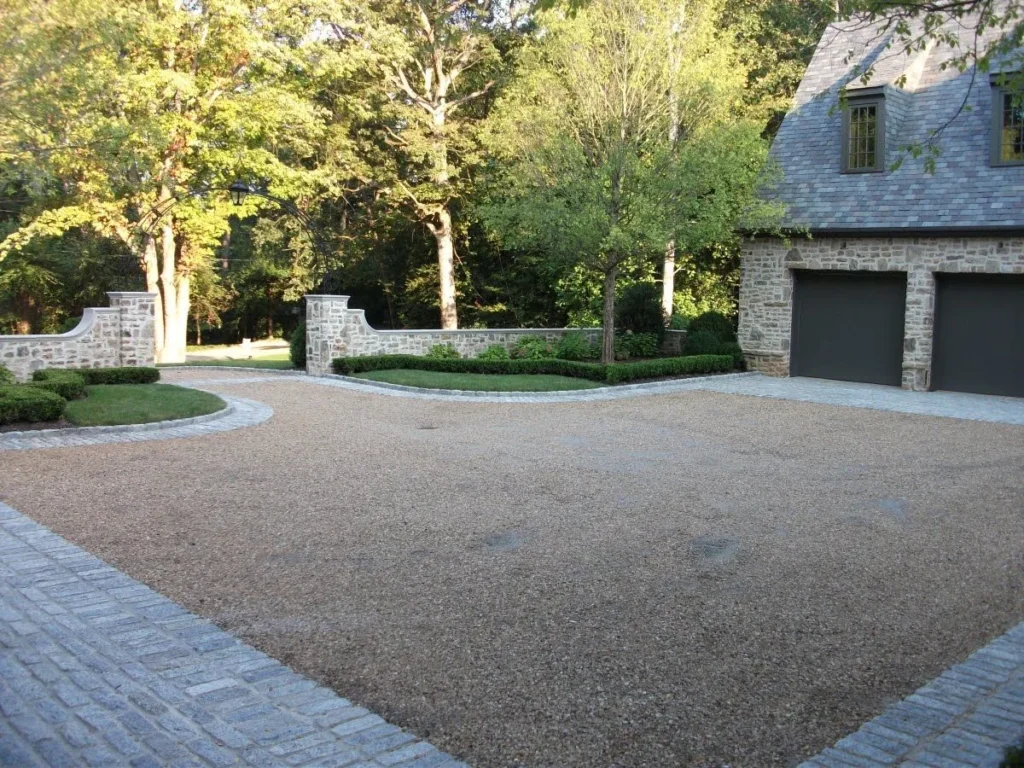
Tar and chip in Ottawa, a long laneway surface
A single-chip tar and chip driveway in Ottawa costs $2 to $5 per sq ft, roughly $1,200 to $3,000 over 600 sq ft, with double chip quoted per project. It suits long rural laneways, and Paving Experts Ottawa will tell you when asphalt fits a short suburban driveway better.
Roughly $1,200 to $3,000 for a 600 sq ft area
Can go over a sound existing surface
Single chip or double chip, priced separately
Honest about where it performs badly
Ask about tar and chip
Tell us the length and width of the laneway and what is there now.
On a short urban driveway we will usually recommend something else.
What you are getting for the price
Tar and chip sits below asphalt on cost and above gravel on performance. Both halves of that sentence matter.
A bound surface, not loose stone
Hot liquid asphalt is sprayed onto the prepared base and stone chip is spread and rolled into it while it is still fluid. The stone is held in place rather than sitting loose, so it does not migrate into the lawn the way gravel does.
Cost that scales with length
At $2 to $5 per square foot against $5 to $10 for asphalt, the saving is small on a 600 sq ft double and substantial on a long rural approach where the area runs into thousands of square feet.
It can go over what is there
Where an existing surface is sound and properly graded, tar and chip can be applied over it. That removes the excavation line from the quote, which is usually the largest single item.
Single chip against double chip
A single chip application is one spray of binder and one layer of stone, rolled in. It is the cheaper option, it gives a thinner wearing surface, and it is what most quotes mean when they say tar and chip without qualifying it. A double chip application repeats the process: a second spray of binder over the first layer and a second, usually smaller, stone spread and rolled into it. The second layer fills the voids between the first layer of chip, locks the stone more completely and gives a denser, tighter surface that holds up better under regular traffic and under a plough. It costs more and it is the right call on a laneway that gets daily use. Ask which one you are being quoted, because the difference between the two is larger than the difference in price suggests.
$2 to $5Per square foot for tar and chip in the Ottawa area
$5 to $10Per square foot for hot mix asphalt over the same area
6%Maximum driveway grade in Ottawa's grading specification
10 CAir temperature the binder needs before it will take the chip
Tar and chip prices
Ottawa area ranges. The economics improve with length, which is why this is mostly a rural product.
Most popular
Single chip
$2 to $5 per sq ft
One binder spray and one stone layer, rolled
Roughly $1,200 to $3,000 over 600 sq ft
Can be laid over a sound existing surface
Loose chip sweeps up over the first few weeks
Second binder spray and second stone layer
Denser, tighter surface under daily traffic
Better behaved under a plough blade
Worth the difference on a long working laneway
We confirm the existing surface is sound and drains, and we measure the fall. A long steep run or a soft base rules this surface out before anything is sprayed.
2
Spray the binder
A distributor truck applies hot liquid asphalt binder to the prepared surface at a controlled rate. That rate is what decides how much stone the surface can actually hold.
3
Spread and roll the chip
A chip spreader follows immediately with stone of a specified size, and a roller presses it into the binder while it is still fluid enough to grip.
4
Sweep and hand over
Some stone never embeds. We sweep the loose chip and tell you to drive gently for the first few weeks, particularly turning on the spot.
Season, weather and what happens afterwards
The temperature rules are broadly the same as for asphalt. The work needs air temperatures above roughly 10 C and genuinely dry conditions, because the binder has to stay fluid long enough to take the chip and the surface underneath has to be dry for it to grip. That puts the season between about early May, when local plants reopened in the first week of May in 2026, and mid October. Spring load restrictions of roughly 5 tonnes per axle from early March to mid May restrict the trucks in any case. Expect loose chip for the first few weeks, and sweep it up rather than tracking it into the house. Renewal is another chip application rather than a rebuild, which is what keeps the whole life cost sensible on a long laneway. Tar and chip is not sealed the way asphalt is and it is not patched invisibly. Plan on refreshing it rather than maintaining it.
Before you choose tar and chip
Measure the grade
Tar and chip performs poorly on steep slopes. Water running down the surface works chip loose and takes it with it. Ottawa's grading specification caps driveway grade at 6 percent in any case, and even inside that a long steep run is a poor candidate.
Count the square footage
On a 600 square foot suburban double the saving against asphalt is modest and the compromises are not. On a two hundred foot rural approach the arithmetic changes completely.
Check what is underneath
Applying over an existing surface only works where that surface is sound and drains. Over a failing base, tar and chip fails exactly as quickly as anything else would.
Agree the repair plan
Tar and chip cannot be patched invisibly and it is not resealed the way asphalt is. Renewal is another chip application. Any workmanship warranty is set out in your written quote, job by job.
What tar and chip actually is
Tar and chip, also sold as chip seal or surface treatment, is a bound stone surface built in place rather than a manufactured mix delivered hot from a plant. A distributor truck sprays hot liquid asphalt binder onto a prepared base at a controlled rate, a chip spreader immediately follows with a layer of stone of a specified size, and a roller presses that stone down into the binder while it is still fluid enough to grip.
The result looks like a gravel surface and behaves like a paved one. The stone is anchored, so it does not migrate into the lawn or need raking back every spring the way a gravel laneway does. What it is not is asphalt. Hot mix asphalt is a designed blend of graded aggregate and binder, laid to a specified thickness and compacted to a specified density. Tar and chip is a thin treatment on top of whatever is already underneath it, so the surface it is laid over decides how long it lasts.
Slope, area and base: where a tar and chip driveway fits
The case for tar and chip is almost entirely about area. At $2 to $5 per square foot against $5 to $10 for asphalt, the saving on a 600 square foot suburban double is modest, and you have accepted a coarser surface, a shorter renewal cycle and a repair that cannot be made invisible. On a two hundred foot rural approach the same percentage saving is a very different number, and that is the market this surface belongs to.
Slope is the main technical disqualifier. Water running down a chip sealed surface works stone loose along its flow paths and carries it away, leaving bare binder that then wears through. The base is the other one. Tar and chip can be applied over a sound existing surface, which removes excavation from the quote, but it cannot fix anything underneath it.
Any workmanship warranty is set out in your written quote, job by job. Call (343) 314-8525.
Tar and chip questions
What does tar and chip cost in Ottawa?
Roughly $2 to $5 per square foot, which puts a 600 square foot area at about $1,200 to $3,000. Asphalt over the same area runs $5 to $10 per square foot. The gap looks bigger as a percentage than it feels on a small driveway, which is why the surface makes most sense where the area is large.
How long does a tar and chip driveway last?
Less than asphalt, and the honest answer depends heavily on traffic, grade and whether it was a single or double chip application. Renewal is another chip coat rather than a rebuild, which keeps the lifetime cost reasonable on a rural laneway. It is a surface you plan to refresh rather than one you expect to forget about.
Can tar and chip go over an existing driveway?
Yes, where the existing surface is structurally sound and drains properly. That is one of its genuine advantages, because it removes excavation from the quote. It does not work over a failing base. Alligator cracking, soft spots or standing water under the existing surface will reproduce themselves through a chip seal the same way they would through an asphalt overlay.
Does it work on a slope?
Not well. The binder holds the chip in place but water running down a sloped surface works stone loose along the flow paths and carries it away, leaving bare patches that then wear faster. On any meaningful grade, asphalt is the better surface. Ottawa's grading specification caps driveway slope at 6 percent regardless.
Is it common on driveways in the city?
No, and we would rather say so than pretend otherwise. Tar and chip is mostly a rural product around here, used on long private laneways and farm approaches where the length makes the cost per square foot decisive. On a typical suburban double in Ottawa it is unusual, and most homeowners who look at it seriously end up choosing asphalt or interlock instead.
Find out whether tar and chip suits your laneway
Tell us the length, the grade and what is there now, and we will tell you whether it is the right surface or not.